What Is Nomex® — The Fire-Resistant Fiber in Race Suits
Nomex® is a meta-aramid fiber made by DuPont that is inherently flame-resistant. It doesn’t melt or drip; under flame it chars in place instead of burning, and because the protection is built into the fiber itself it’s permanent — it can’t wash out. That’s the difference from chemically-treated cotton, and it’s why Nomex® is the fabric behind every SFI 3.2A race suit.
This guide defines what Nomex® is, shows how it protects you by charring instead of melting, compares it to other FR fabrics, explains the meta-aramid science, maps how layers stack to a rating, covers the fire test and how to care for it, and applies it all to a custom race suit built to your design.
- Inherently flame-resistant — protection is the fiber
- Won’t melt, drip or wash out like treated cotton
- The standard fabric for SFI 3.2A & FIA racewear
Inherently FR
Built into the fiber
Won’t Melt
Chars, never drips
Permanent
Can’t wash out
SFI 3.2A Fiber
The race-suit standard
What is Nomex®?
Nomex® is a meta-aramid fiber, invented and trademarked by DuPont, that is inherently flame-resistant. “Aramid” is short for aromatic polyamide — a synthetic built from stiff, heat-stable molecular rings. That chemistry means the fiber resists fire on its own: the flame resistance is part of the material, not a chemical sprayed on afterward.
It’s the same fiber family behind firefighter turnout gear, military flight suits and the gloves a pit crew wears — and it’s the standard fabric for SFI 3.2A and FIA driver suits. When you read “Nomex® race suit,” you’re reading the name of the fiber that does the protecting, not a brand of suit.
SFI Ratings Explained →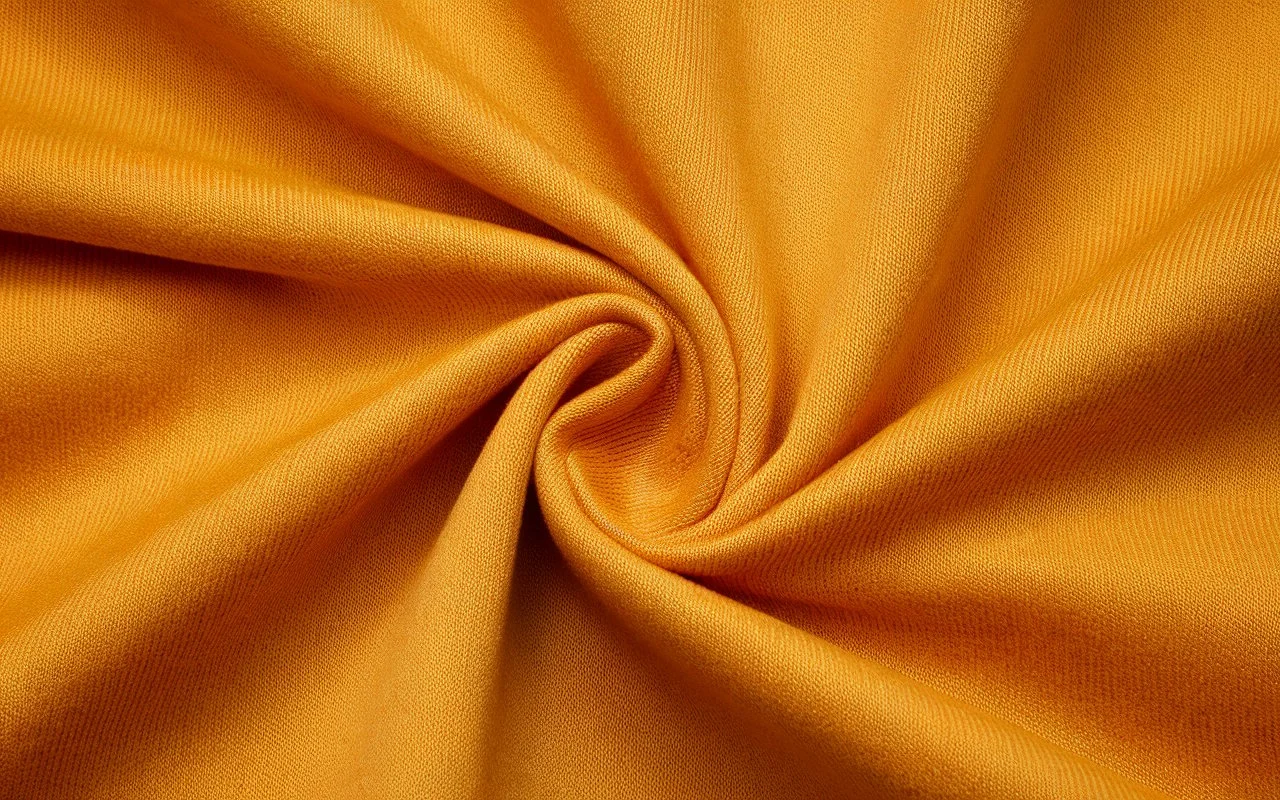
How does Nomex® protect you?
Nomex® doesn’t resist fire by refusing to react — it reacts in a way that protects you. Hit by flame, the fiber chars and swells into an insulating barrier instead of igniting, melting or shrinking away from the heat.
It chars instead of burning
Exposed to flame, Nomex® doesn’t ignite and feed the fire — the fiber thickens and carbonizes, forming a stable char layer that holds its shape and shields the skin beneath.
It traps an insulating gas
As the surface chars it releases gas and expands, creating a thicker, lower-conductivity barrier that slows heat transfer to your body — buying the seconds an SFI rating measures.
It never melts or drips
Unlike polyester, Nomex® has no melting point that matters in a crash fire — so it can’t fuse to your skin, the injury that makes synthetic streetwear so dangerous in a fire.
The protection is permanent
Because flame resistance is the fiber itself — not a coating — it survives every wash and every season. A treated cotton suit loses protection over time; a Nomex® suit doesn’t.
Nomex® — chars in place
protectsFlame hits the surface — the fiber doesn’t ignite or feed the fire.
It thickens and carbonizes into a stable char, holding its shape.
The char releases gas and swells, forming an insulating barrier.
Heat transfer slows — buying the seconds an SFI rating counts.
Polyester — melts & drips
injuresFlame hits the surface — synthetic fibers ignite and soften fast.
Polyester reaches its melt point and turns liquid.
Molten plastic drips and fuses to the skin as it cools.
The melt-burn injury is deeper and slower to heal than a flame burn.
More fiber means more char and more insulating gas — which is exactly why layer count is what an SFI number really measures.
Nomex® vs FR-cotton vs untreated fabric
Three fabrics a driver could wear, side by side — and why the inherent flame resistance of Nomex® makes it the only one built for a fire.
| Feature | Nomex® | Proban® / FR-cotton | Untreated cotton / poly |
|---|---|---|---|
| Flame resistance | Inherent — built into the fiber | Added by a chemical FR treatment | None (poly melts; cotton burns) |
| Melts or drips on skin? | No — chars in place | No, but the cotton itself can scorch | Polyester melts and fuses to skin |
| Protection permanent? | Yes — can’t wash out | No — fades with washing & wear | No protection to lose |
| Weight & comfort | Light, breathable, flexible | Heavier; stiffer as it ages | Light but offers zero defense |
| Typical use | SFI / FIA race suits & gloves | Industrial FR workwear | Streetwear — never racewear |
FR-cotton protects when new but fades with washing; untreated poly melts onto skin. Only Nomex® keeps its protection for the life of the suit.
The meta-aramid science
Nomex® is inherently flame-resistant because of how its molecule is built — not because of anything added to it. An aramid is an aromatic polyamide: stiff benzene rings (“aromatic”) chained together by strong amide bonds (“polyamide”). That backbone is so heat-stable that the fiber decomposes and chars instead of melting.
The “meta” in meta-aramid describes the bond angle between the rings — the geometry that makes Nomex® flexible and spinnable into a comfortable fabric rather than the rigid plate its sister fiber para-aramid (Kevlar®) becomes. Because the flame resistance is the chemistry of the fiber itself, there’s no treatment to wear off, wash out or degrade — the very thing that limits FR-treated cotton.
SFI Ratings Explained →What makes the fiber heat-stable
Take any one part away and you lose it: the rings give heat stability, the amide bonds give strength, the meta angle gives wearability. Together they make a fiber that’s FR by nature.
How Nomex® layers stack to an SFI rating
A race suit earns its SFI number from how many Nomex® layers stand between you and the fire. Each layer chars and insulates; stack a second one and the trapped air gap slows heat far more than fabric alone. That layer count — not the brand name — is what an SFI rating measures.
One layer of Nomex® chars and insulates on its own — the lightest certified build.
A second layer traps an insulating air gap that slows heat far more than fabric alone.
Stacked Nomex® and quilted insulation reach the highest levels nitro fires demand.
The single layer vs double layer choice is the one most racers actually face — single vs double layer race suit →
Single vs multi-layer Nomex®
The same fiber protects differently depending on how many layers you stack. A single layer of Nomex® is roughly an SFI 3.2A/1 — about 3 seconds of protection, fine for karting and track days. Add a second layer and you reach SFI 3.2A/5 — about 10 seconds, the rating most auto racing requires.
That’s the whole logic of the SFI scale: it isn’t a quality score, it’s a count of how much insulating Nomex® stands between you and a fire. Each rung adds layers, seconds and a little weight — so the right answer is the one your rulebook prints, not the biggest number.
Single vs Double Layer Race Suits →Fire test: a Nomex® panel meets an open flame and chars in place instead of catching — it won't ignite, melt or drip, and it self-extinguishes the instant the flame is pulled away.
The Nomex® fire test
Put a Nomex® panel to an open flame and it doesn’t catch — it darkens, thickens and chars while holding its shape, then self-extinguishes the moment the flame is removed. The same test on polyester ends very differently: the synthetic shrinks, melts and drips within seconds.
- No ignition — the fiber won’t catch and feed the fire; it chars instead.
- Holds its shape — the char layer stays put to keep shielding the skin.
- Self-extinguishes — remove the flame and it stops, leaving char, not a hole.
That repeatable behavior is exactly what an SFI 3.2A lab measures to convert into a seconds-to-burn rating.
Caring for Nomex® to keep it FR
You can’t wash the flame resistance out of Nomex® — but you can damage the fiber or coat it in something flammable, so a few rules matter. Wash cool and gentle, and keep three things away from it for good.
No fabric softener
Softener leaves a flammable film on the fibers and can defeat the very protection you bought — skip it entirely.
No bleach
Chlorine bleach attacks aramid fibers and weakens them. Pre-treat stains with a mild detergent instead, never bleach.
Cool wash, air dry
Turn it inside-out, wash on a cool gentle cycle with mild detergent, and hang to dry away from direct high heat.
Done right, the suit’s protection lasts as long as the suit does — the full routine is in how to wash a Nomex race suit →
How this applies to your custom suit
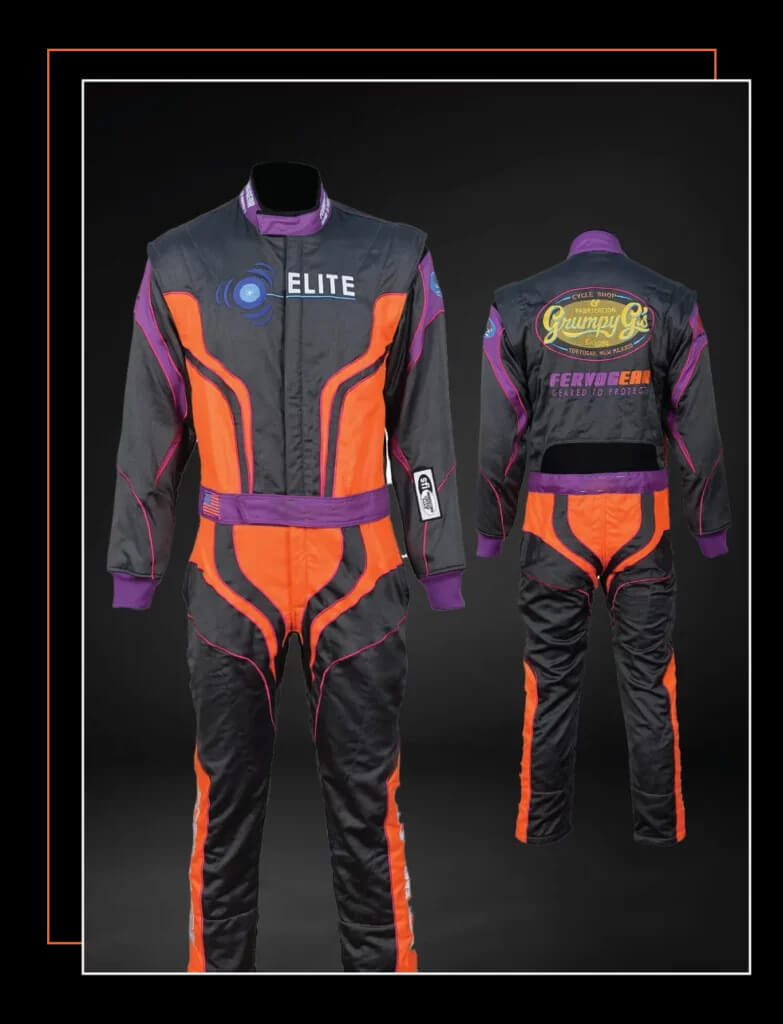
Every FervoGear suit starts from genuine Nomex® and is independently certified to the SFI 3.2A standard. Our most-ordered build is certified at 3.2A/5 — double-layer Nomex®, about 10 seconds of protection, the rating most series require — cut to your exact measurements and your own design.
You get a sewn-in SFI tag a tech inspector can verify, plus a free design mockup before anything is built.
Custom SFI-5 Race Suit →Everything above is the framework — these are the questions racers ask once they understand what Nomex® is.
Nomex® questions
What exactly is Nomex®?
Is Nomex® fireproof?
Why is Nomex® inherently flame-resistant instead of just coated?
How is Nomex® different from FR-treated cotton (Proban®)?
Does Nomex® lose its protection over time or after washing?
Single vs double-layer Nomex® — which do I need?
Does a higher layer count mean a “better” Nomex® suit?
Are FervoGear custom suits made from Nomex®?
Ready to spec yours? Start with how to measure for a race suit →
A genuine Nomex® suit, built to your design
Tell us your series and we’ll spec the certified Nomex® suit it requires — see your exact design in 3–24 hours, built in 3.5 weeks.