What to Wear Under a Race Suit
Under a race suit you should wear flame-resistant (FR) underwear — a Nomex® or FR long-sleeve top, FR bottoms, FR socks and, ideally, an FR balaclava. This base layer covers the skin your suit leaves under-protected and adds real seconds of fire protection — and it matters most with a single-layer suit, where most rulebooks require SFI-rated FR underwear underneath.
The one rule that never bends: nothing synthetic against the skin — polyester and nylon melt. This guide covers why under-layers matter, the full FR checklist, cotton vs Nomex, fit and comfort, what not to wear, and how it all pairs with a custom race suit built to your design.
- FR top, bottoms, socks, balaclava — head-to-toe Nomex®
- Single-layer suits usually require SFI 3.3 FR underwear
- Never wear synthetics — they melt onto the skin
FR, Not Synthetic
Nomex® against the skin
Adds Seconds
Protection the suit assumes
Single-Layer Must
Usually rulebook-required
Never Polyester
Synthetics melt onto skin
Why what you wear under the suit matters
FR underwear adds protection seconds and fills the safety gap your suit’s SFI rating already assumes. A suit’s 3.2A/N rating is measured over a base layer — the test isn’t bare skin against fabric. Wear the right FR underwear and you extend the seconds before heat reaches the skin; wear synthetics and you actively work against the suit.
It matters most with a single-layer suit. A 3.2A/1 gives roughly 3 seconds on its own, so most sanctioning bodies require SFI 3.3 FR underwear underneath to bring the combined system to a safe level. The under-layer isn’t an accessory — it’s part of the protection.
SFI ratings explained →The layered system (single-layer suit + FR base)
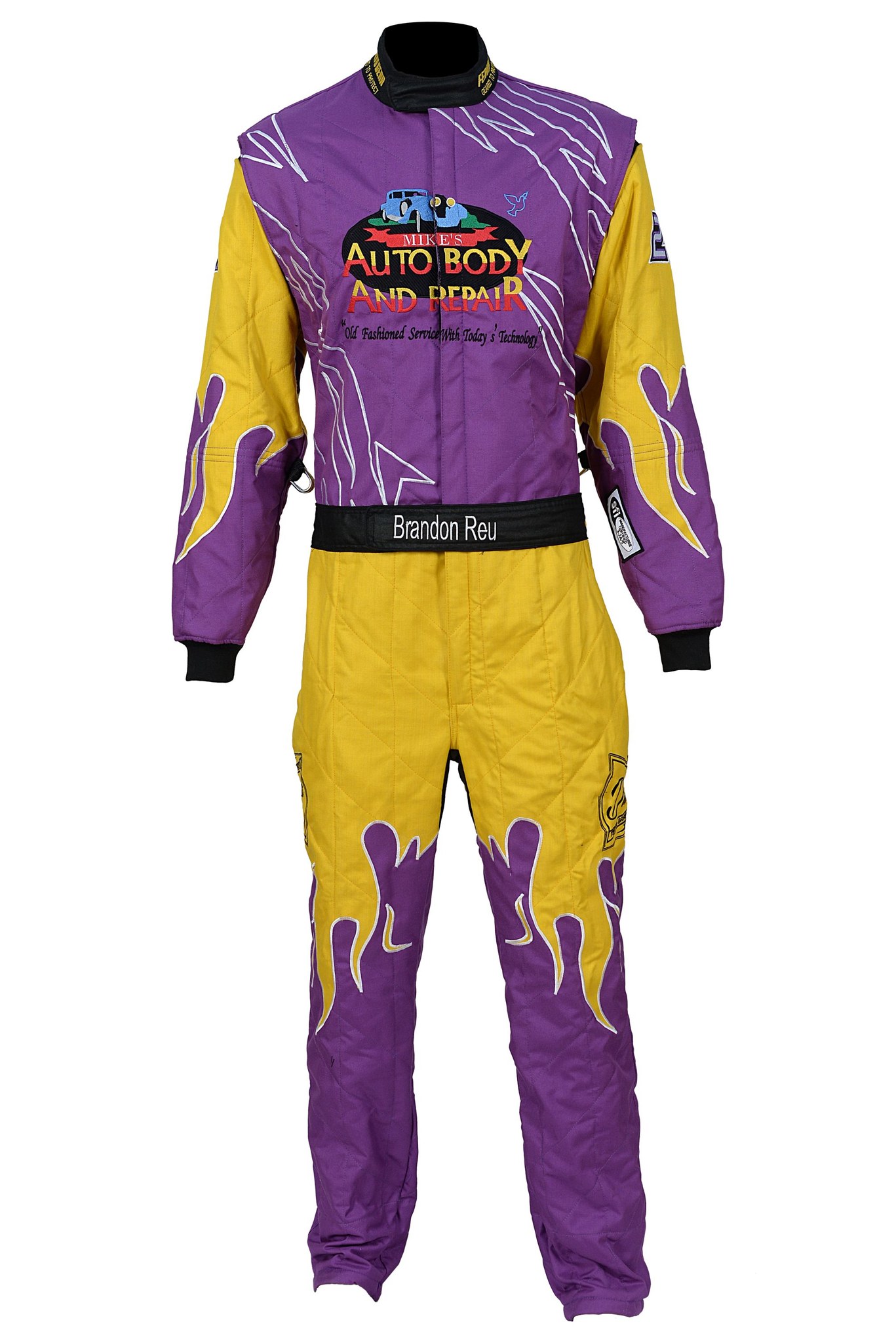
Single-layer vs double-layer requirements
Your suit’s layer count decides how much your FR underwear has to do. A single-layer 3.2A/1 suit leans on the base layer to reach a safe level, so most rulebooks require SFI 3.3 FR underwear with it — the underwear is doing real protective work, not just comfort.
A double-layer 3.2A/5 suit already traps an insulating air gap and reaches ~10 seconds on its own, so FR underwear is often optional there — but still strongly recommended. Either way, knowing whether you run single or double layer is the first thing that sets your under-layer plan.
Single vs double layer race suit →The full under-layer checklist
A complete FR base layer covers you head to toe — top, bottoms, socks, balaclava and FR briefs. Below is every item, why it matters, and the SFI spec to look for on the tag.
| FR under-layer item | SFI spec | Why it matters |
|---|---|---|
| FR long-sleeve topCore item — start here | SFI 3.3 | Covers the torso and arms — the largest skin area a single-layer suit leaves under-protected. |
| FR bottoms (long johns)Core item — start here | SFI 3.3 | Guards thighs and legs, where a seated driver is closest to a fuel-line or floor fire. |
| FR / Nomex® socks | SFI 3.3 | Bridges the gap between shoe and suit cuff so heat can’t reach bare ankles. |
| FR balaclava (head sock) | SFI 3.3 | Protects the face, neck and scalp the helmet and suit collar don’t fully cover. |
| FR briefs / sports bra | SFI 3.3 | Removes the last synthetic layer against the skin — no nylon, no spandex, near the body. |
SFI 3.3 is the accessory standard for FR underwear, gloves, socks and balaclavas — separate from the suit’s 3.2A rating.
Top & bottoms first
The FR long-sleeve top and bottoms cover the most skin and do the most work — start your kit here before adding extras.
Socks bridge the gap
FR socks close the band between shoe and suit cuff so no bare ankle is left exposed in a floor or fuel-line fire.
Balaclava completes it
An FR head sock protects the face, neck and scalp your helmet and suit collar leave uncovered — many series require it.
Cotton vs Nomex® — and never synthetic
FR/Nomex® is best, 100% cotton is an acceptable fallback, and synthetics are an absolute no — they melt. The fiber against your skin decides whether a fire is survivable, so this is the one choice with no room to compromise.
Nomex® / FR aramid
Self-extinguishing flame-resistant fiber that won’t ignite, melt or drip. The only material that earns an SFI 3.3 tag and the only one that actually adds protection seconds.
100% cotton
Natural fiber that chars instead of melting, so it won’t fuse to skin. It is not flame-resistant and earns no SFI rating, but it beats anything synthetic when FR isn’t on hand.
Polyester · nylon · spandex
Synthetics soften, melt and drip onto the skin in a fire, turning a survivable burn into a serious one. Keep every synthetic — including most everyday athletic wear — out of the suit.
Why Nomex® behaves this way — and why it earns the seconds — comes down to the fiber itself: what is Nomex →
Fit and comfort tips
The right FR base layer makes a suit cooler and more comfortable, not hotter. These four habits keep the under-layer protective and bearable over a long stint.
Snug, not tight
FR underwear should sit close to the skin without compressing it — a slim base layer traps an even air gap under the suit, and air is what slows the heat.
Full coverage to wrist and ankle
Long sleeves and full-length legs that reach the suit cuffs leave no bare skin in the gap. Stop short and you create a hot, unprotected band exactly where seams sit.
Flat seams, no metal
Look for flatlock seams and FR or covered elastic — raised seams and exposed metal trims press and chafe under a tight suit over a long stint.
Moisture-moving FR knit
A modern FR knit wicks sweat so the layer stays light and cool. The right base layer makes a single-layer suit more comfortable, not hotter.
Fit starts with your numbers — the same measurements your suit is cut from: how to measure for a race suit →
What not to wear under a race suit
Keep every synthetic out of the suit — and don’t skip coverage. The fastest way to undo a certified suit is to put the wrong layer underneath it. The list below is what tech inspectors and burn surgeons agree you should never run against the skin.
- Polyester, nylon & spandex — they soften, melt and drip onto the skin, fusing fabric to a burn. This includes most everyday gym and compression wear.
- Cotton-poly blends — the synthetic share still melts. “Mostly cotton” is not the same as 100% cotton, and never the same as FR.
- Bare skin in the gaps — short sleeves, ankle socks or no balaclava leave hot, unprotected bands exactly where seams and cuffs sit.
- Metal jewelry & underwire — metal heats fast and conducts; leave it out, and choose FR or covered-elastic base layers.

How this pairs with your custom suit
The under-layer and the suit are one system. We build every FervoGear suit to the SFI 3.2A standard — the most-ordered spec independently certified at 3.2A/5, double-layer Nomex®, ~10 seconds of protection — cut to your exact measurements and your design. Tell us whether you run single or double layer and we’ll spec the FR underwear your rulebook expects underneath.
You get a sewn-in SFI tag a tech inspector can verify, plus a free design mockup before anything is built.
Custom SFI-5 race suits →Everything above is the framework — these are the edge-case questions racers ask once they’ve picked their FR layer.
Under-layer questions
What should I wear under a race suit?
Do I need fireproof underwear with a single-layer suit?
Can I wear cotton under a race suit instead of Nomex?
Why can’t I wear polyester or normal athletic wear under my suit?
Does FR underwear add to my suit’s SFI rating?
What size should FR underwear be?
Do I need an FR balaclava and FR socks too?
Do FervoGear custom suits come with FR underwear?
Not sure which rating your series needs first? Start with SFI ratings explained →
Get the certified suit your FR layer goes under
Tell us your series and whether you run single or double layer — we’ll spec the right suit-and-underwear system, with your exact design in 3–24 hours, built in 3.5 weeks.